Can gold-plated silver rub off? Here's why
A ring that accompanies you every day. A necklace that reminds you of a special person. If a dark mark suddenly appears on your skin or the gold luster fades, your concern is understandable. Can gold-plated silver stain? Yes, under certain conditions, discoloration can occur. However, this is usually no cause for concern, but rather the natural interplay of material, skin, and everyday life.
Gold-plated silver combines the warm expression of gold with a valuable core of 925 sterling silver. For a piece of jewelry to remain as beautiful as the memory you associate with it, it's worth taking a closer look at what discoloration really means – and how to gently prevent it.
What exactly does "staining" mean for gold-plated silver?
When talking about jewelry staining, two very different things can be meant. Either the piece of jewelry leaves marks on the skin, such as a grayish, greenish, or dark shadow. Or the gold plating itself appears less intense over time, so that the silver base can become visible in heavily stressed areas.
Neither of these is automatically a sign of poor quality. Gold is a very soft precious metal. Gold plating is a fine layer on top of the silver and reacts to friction, moisture, and the substances it comes into contact with in everyday life. How quickly this layer changes depends on its thickness, how often it's worn, and your personal skin chemistry.
Important: Real gold does not turn skin green. If discoloration occurs, it often results from reactions with the silver core or with other metal components in the alloy, once the gold layer has thinned in one spot. Residues from personal care products can also play a role.
Why skin can discolor
Every person's skin has its own pH value. Sweat also contains salts and acids. For some people, this combination reacts with metals faster than for others. That's why the same gold-plated chain can remain unchanged for years for one person and leave marks on another after a warm summer day.
This happens particularly often on hands, wrists, and the neck. Rings and bracelets come into contact with water, soap, disinfectants, and friction. Necklaces lie close to skin, perfume, and body lotion. This is not a sign that you shouldn't wear jewelry – but a hint to give it little breaks and conscious care.
Cosmetics can also make a surprisingly big difference. Hand creams, sunscreens, make-up, hairspray, and perfume leave fine residues on the surface. These can make the shine appear dull or promote chemical reactions. The simple order helps: first apply care products, style hair, and perfume, then put on jewelry as the final personal accent.
Dark marks are often a reaction, not abrasion
A black or gray mark on the skin is sometimes directly interpreted as abrasion. However, it is often a superficial reaction of silver components with sweat, air, or care products. Sterling silver contains other metals in addition to silver to make it stable enough for delicate jewelry designs. These can oxidize and form dark residues.
Such marks can usually be removed from the skin with water and mild soap. They are not dangerous. If itching, redness, or a burning sensation also occur, you should remove the jewelry and observe whether the skin calms down. In that case, sensitivity to an alloy component or a product on the skin may be the cause.
Can gold-plated silver lose its golden color?
Yes. Any gold plating is a surface finish and can gradually wear off with wear. A piece of jewelry does not lose its value or history – but its appearance can change. Small differences often appear first on edges, clasps, ring undersides, or pendant loops, because these areas experience a lot of friction.
How visible this process becomes depends primarily on four factors: the thickness of the plating, the type of jewelry, your daily routine, and your storage. A pendant that you wear for special moments will usually remain golden longer than a ring that comes into contact with water, keyboards, bags, and cleaning processes daily.
High-quality gold plating on 925 sterling silver is a beautiful choice for jewelry that looks elegant and feels special. However, if you are looking for an everyday ring that is never taken off during sports, sleeping, and hand washing, you should know: This is where wear shows up fastest. For maximum durability, solid gold jewelry may be the more suitable choice.
How to preserve the shine of your favorite pieces
Gold-plated jewelry doesn't require a complicated routine. It primarily thrives on careful handling. Take it off before showering, swimming, exercising, and going to the sauna. Chlorine, salt water, and high humidity can damage the surface. Jewelry should also be stored in its case when cleaning or gardening.
After wearing, simply wipe the necklace, ring, or earrings gently with a soft, dry cloth. This removes residue from skin, cream, and moisture before they set. Do not use aggressive silver dips, rough brushes, or polishing cloths with strong abrasives. What can brighten unplated silver can unnecessarily abrade the fine gold layer.
Store your pieces separately, ideally dry and protected from humidity. A jewelry box with a soft lining or a separate pouch prevents scratches and friction. Especially delicate chains appreciate being closed and loosely stored so they don't tangle.
If the jewelry looks dull
A dull film doesn't immediately mean the gold plating is gone. Often, residue is simply on the surface. First, gently wipe the piece with a clean microfiber cloth. If that's not enough, a slightly dampened, soft cloth with a touch of mild soap can help. Afterwards, be sure to wipe with clear water and let it dry completely.
For jewelry with pearls, cubic zirconia, engravings, or delicate details, restraint is particularly beautiful. Long soaking, ultrasonic devices, and home remedies like toothpaste, baking soda, or lemon juice are not a good idea. They can damage settings, surfaces, and plating – even if the short-term effect initially looks convincing.
When you should take a closer look
If your skin discolors only occasionally, for example on hot days or after using a lot of hand cream, this can usually be resolved through care and wearing habits. However, if your skin repeatedly becomes very red, itchy, or swollen, take a break from the jewelry. If symptoms persist, medical advice is recommended.
A very rapid, widespread loss of gold color also deserves attention. First, check whether the jewelry has come into contact with chlorine, cleaning agents, perfume, or heavy friction.
Jewelry that lives with you
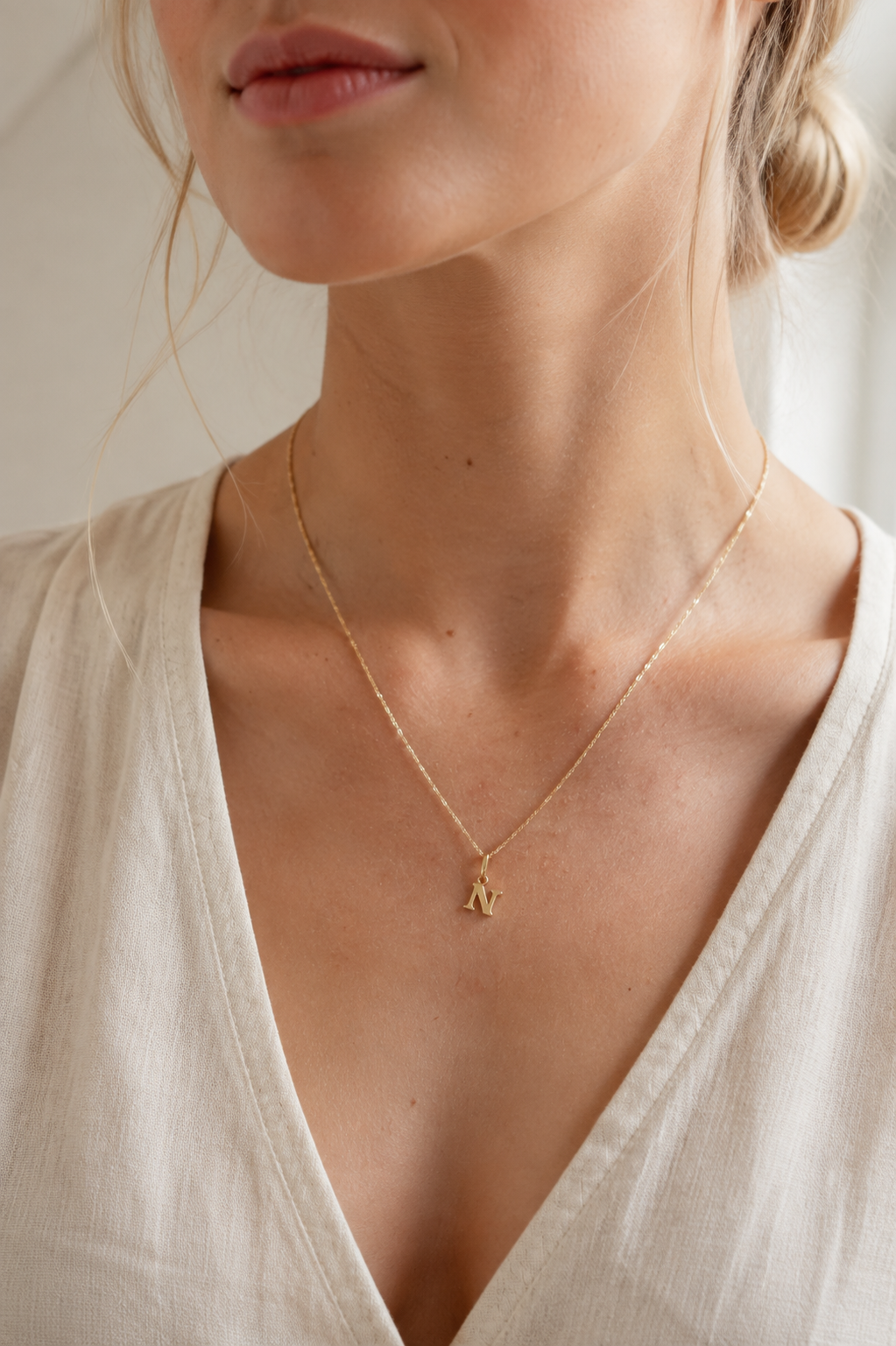
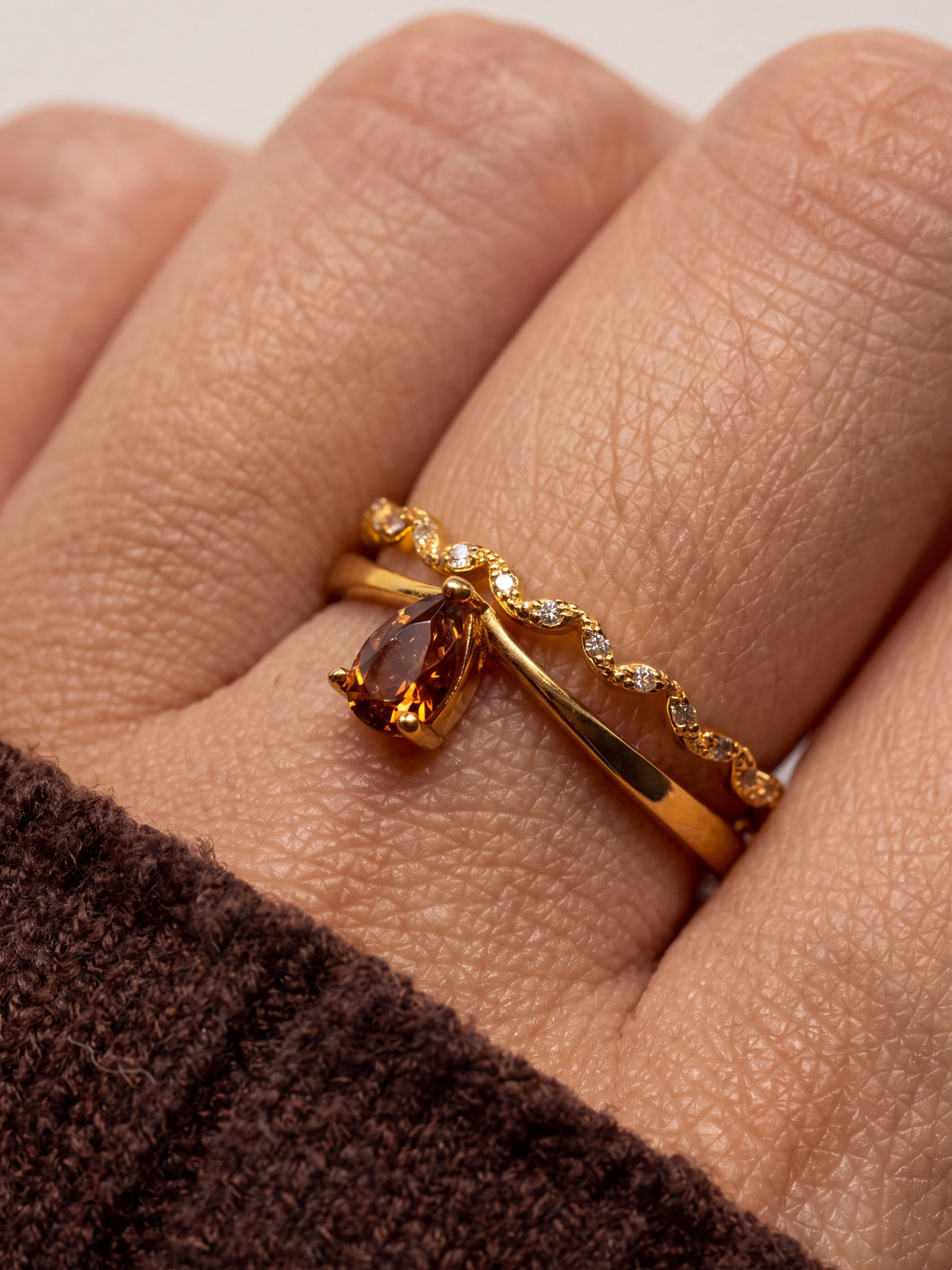
Gold-plated silver is made for all those moments when you don't need to explain your style: a delicate ring as a reminder of your strength, a necklace with an initial close to your heart, earrings for a day that should look like you. It's meant to be worn. It's meant to be part of your life.
A little care protects its shine, but small changes also tell the story of how much you've loved it. Put on your jewelry mindfully, treat it gently, and give it a safe place in between – so its golden warmth can accompany you for a long time. 💛