Can you shower with silver on? This is how it stays beautiful
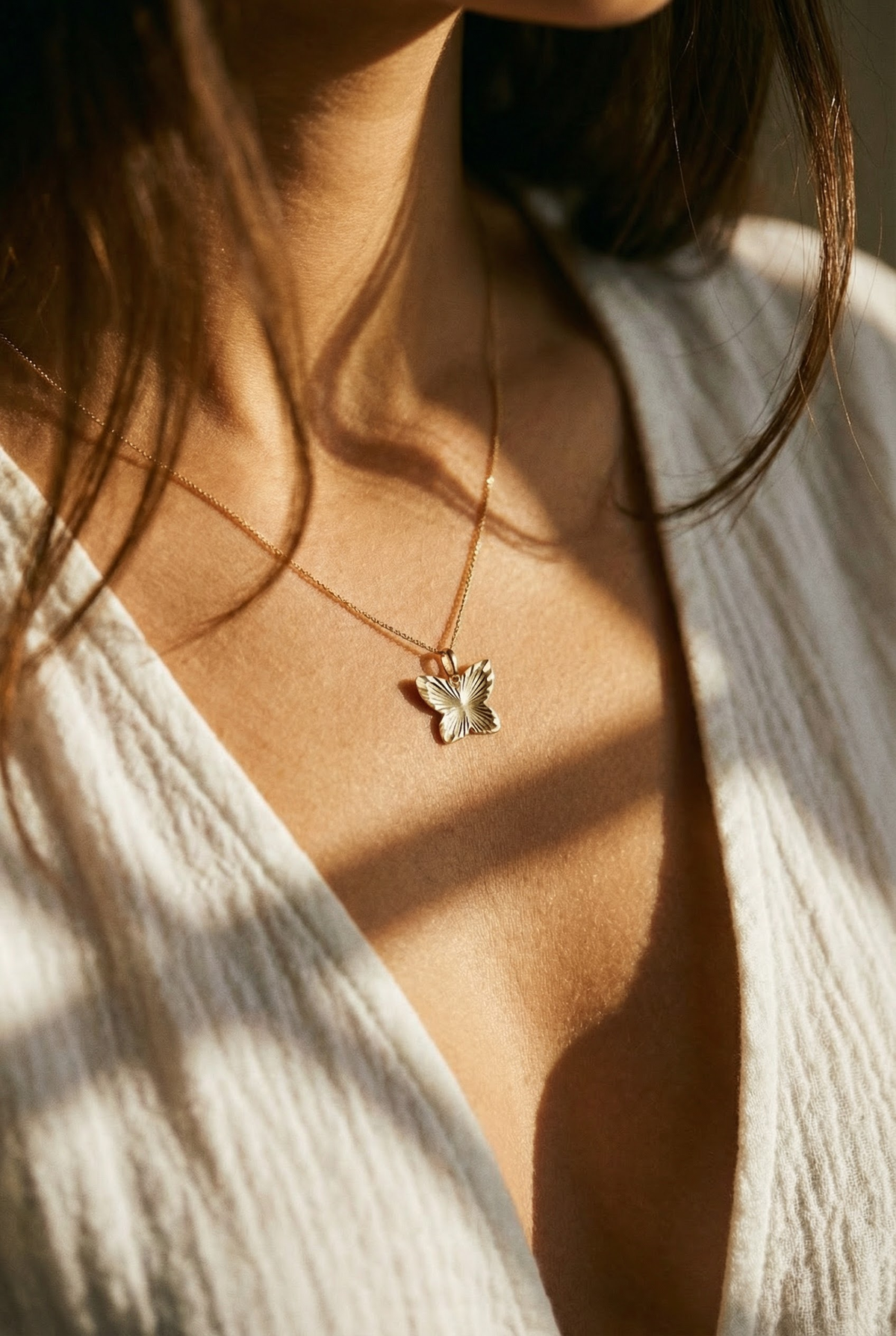
The delicate necklace you put on every morning, the ring with your story, or the hoops that have long felt like a part of you: jewelry accompanies genuine moments. So it's only natural not to want to take it off every time you shower. But can you shower with silver without it losing its gentle luster? The short answer is: Yes, occasionally it's usually not a problem. However, for the beauty and longevity of your favorite pieces, it's still better to take them off beforehand.
Can you shower with silver?
925 sterling silver consists of 92.5 percent pure silver and 7.5 percent other metals, mostly copper. This mixture makes the jewelry stable enough for everyday wear while preserving the bright, elegant radiance that makes silver so timeless. Pure water does not immediately harm high-quality sterling silver. So a quick shower won't suddenly ruin your necklace or ring.
However, when showering, jewelry rarely only comes into contact with water. Shower gel, shampoo, conditioner, body oil, and scrubs leave residues. Limescale in the water can also settle on the surface. Over time, silver then appears less clear, feels slightly dull, or loses its vibrant shimmer.
In addition, there is a natural process: silver can oxidize and darken. This is not a question of poor quality and no cause for concern. Sulfur-containing substances in the air, sweat, cosmetics, and moisture promote this change. Especially a piece of jewelry you wear close to your skin tells the story of the everyday life you share. With proper care, however, the original shine can usually be very well restored.
Why silver can tarnish faster in the shower
The decisive factor is not water alone, but the mixture of moisture, heat, and care products. Conditioners and rich shower oils can leave a fine film. It not only robs silver of its shine but also likes to settle in small details, engravings, chain links, or under stones.
Scrubs deserve special attention. Their fine particles can, with prolonged contact, put more strain on very delicate surfaces, polished parts, or gilding. The same applies to products with fruit acids, essential oils, or intensive active ingredients. What is good for your skin does not automatically have to be the best companion for jewelry.
Hard, calcareous water is also not a drama, but a small stylistic break for reflective silver jewelry. While the light deposits can be removed, those who often wear their pieces in the shower will have to clean them more frequently. With delicate designs, this can simply be unnecessary in the long run.
What's different with gold-plated silver
With gold-plated silver, restraint is particularly advisable. Here, a fine layer of gold lies over the 925 silver. It gives the jewelry its warm, golden expression but can be more affected by friction, water, and products over time than solid silver.
This doesn't mean that gold-plated jewelry is sensitive or only made for special occasions. It can accompany you through beautiful days. However, taking it off while showering, bathing, or exercising is still the more loving decision. This way, the gilding remains even and radiant for longer - especially for rings and bracelets, which in any case have a lot of contact with water, hand cream, and surfaces.
Jewelry with pearls, stones, and special details
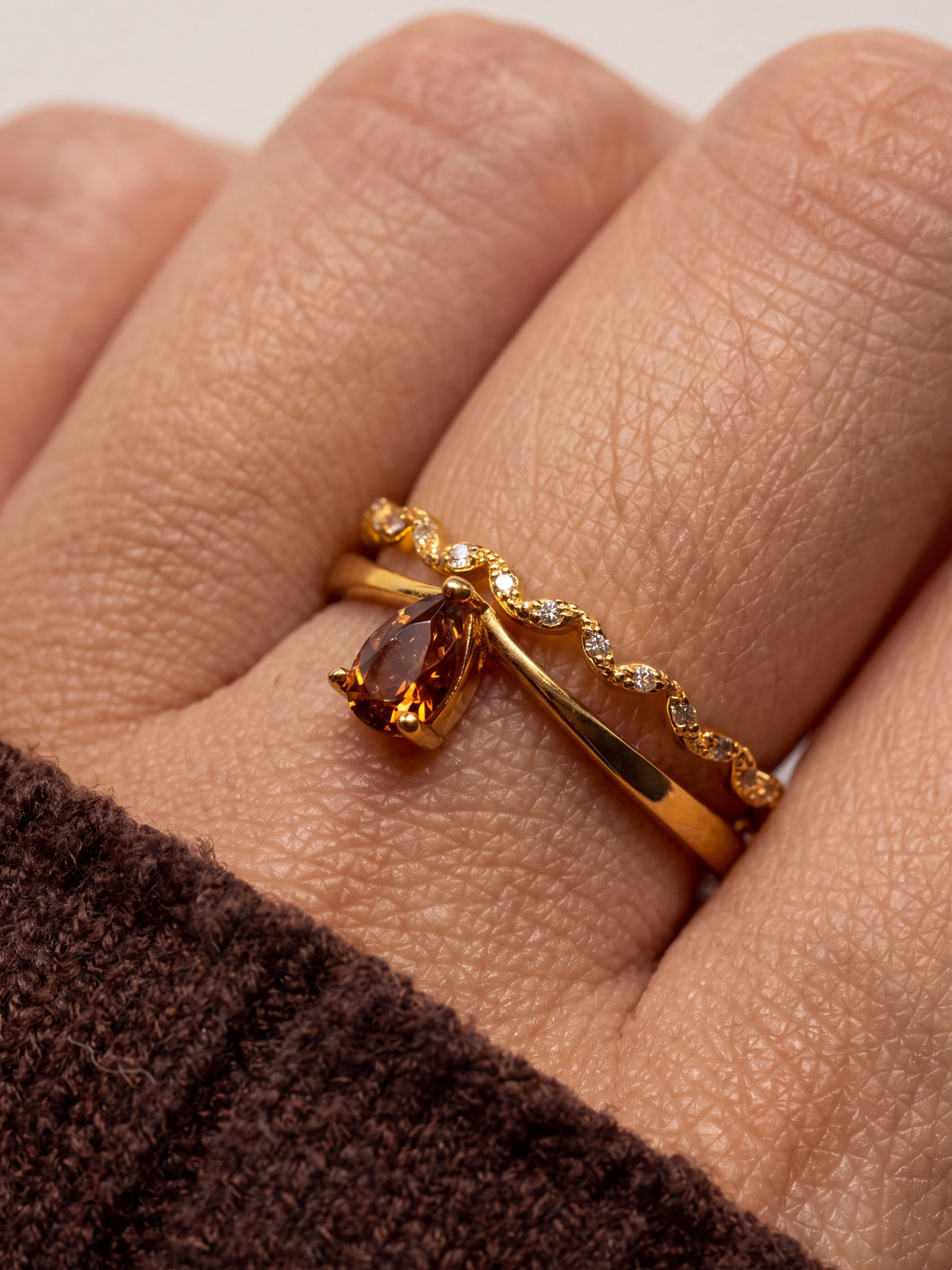
Jewelry is not always just metal. Freshwater pearls, for example, require careful handling: they are organic and react more sensitively to soap, fragrances, and prolonged moisture. Set cubic zirconia, adhesive bonds, enamel, or personalized details also deserve a dry moment before showering.
With solid gold, such as 585 or 333 gold, the situation is a bit more relaxed because the material does not oxidize like silver. Nevertheless, care products can dull its shine and leave deposits. Those who consciously wear jewelry also consciously preserve it: not out of fear of everyday life, but so that every detail looks as beautiful as the memory it carries for a long time.
The best routine for your silver jewelry
No complicated care routine is needed. Ideally, take off necklaces, rings, bracelets, and earrings before showering and store them in a dry place. A jewelry box or soft fabric pouch also protects against dust, scratches, and unnecessary contact with moisture.
If you have showered with silver once, a gentle touch is enough: carefully pat the piece dry with a soft, lint-free cloth. Do not rub roughly over particularly fine chains, engravings, or delicate surfaces. Also, do not leave the jewelry damp in the bathroom. The warm, steamy air after showering is not an ideal storage place.
It's best to apply perfume, hairspray, sunscreen, and body lotion before putting on your jewelry. Wait a moment until the products are completely absorbed or dry. This order not only preserves the shine, it also feels like a nice little ritual: first you, then your personal detail.
Cleaning silver without overdoing it
If your 925 silver has darkened or become dull, it doesn't mean it's past its prime. A slight tarnish can often be gently removed with a special silver polishing cloth. Work without pressure and concentrate on smooth metal surfaces. With jewelry that has a deliberately darker, oxidized structure, you should be careful: too intense polishing can diminish the contrasts in depressions.
For a mild cleaning, lukewarm water with a very small amount of gentle, pH-neutral soap is suitable. Do not soak the jewelry for long, but clean it gently with a soft cloth or a very soft brush. Then rinse with clear water and dry completely. Gold-plated pieces, pearls, and jewelry with delicate details should not be treated with aggressive silver dips or household remedies.
It is rather discouraged to use toothpaste, coarse salt, baking soda, or rough cloths. Such tips sound practical, but can scratch fine surfaces, attack gilding, or stress the setting of stones. A meaningful piece of jewelry deserves care that is as delicate as its design.
When taking it off is truly the better choice
Going for a quick shower while wearing your silver earrings or necklace is no cause for panic. However, if it becomes a habit, the difference often becomes apparent faster: more deposits, more frequent cleaning, and a duller appearance. This applies even more to gold-plated silver, pearls, and delicate designs.
Besides showering, swimming pools, saunas, the sea, and sports are situations where jewelry is better left off. Chlorine can change metals and surfaces, saltwater leaves residues, and sweat and friction particularly affect rings, bracelets, and chains. It can also be wise to take off very delicate pieces when sleeping so they don't get caught or unnecessarily stressed.
A matter of habit, not perfection
Jewelry should enhance your life, not complicate it. You don't have to avoid every contact with water or treat every piece of jewelry like a museum object. It's more about small decisions that make a big difference in the long run.
When you take off your silver jewelry before showering, you protect its shine, its details, and the special radiance for which you chose it. Once put back on, it can be exactly what it's meant to be: a quiet companion for your strength, your memories, and the moments that are entirely yours.