How to properly care for and protect your silver jewelry
A ring that reminds you of a special person, a necklace as a daily companion, or earrings for a big occasion: jewelry with meaning can bear the traces of life – but none that cannot be avoided. Anyone who wants to know how to properly care for silver jewelry not only protects its shine but also the story that lives on in each piece.
925 sterling silver is a precious, durable material. Nevertheless, it can darken over time. This is not a sign of poor quality but a natural reaction of the metal to sulfur-containing substances in the air, moisture, skin care products, or sweat. With a loving, simple routine, your jewelry will remain as radiant as it feels for a long time.
Why silver tarnishes – and why this is completely normal
Sterling silver consists of 92.5 percent pure silver and 7.5 percent other metals, usually copper. This alloy makes jewelry suitable for everyday wear and stable. At the same time, its surface reacts to the environment: humidity, perfume, hairspray, sunscreen, and even certain skin values can accelerate the tarnishing process.
How quickly this happens is very individual. Some favorite necklaces remain bright for months, while a ring may get a darker film more quickly with frequent hand washing. The season also plays a role: in summer, more sweat, care products, and water are involved. Silver therefore does not need complicated treatment, but attention in the right places.
Properly caring for silver jewelry: The gentle daily routine
The best care doesn't start only when the silver has visibly darkened. Take off your jewelry before showering, bathing, swimming, or exercising. Chlorine and salt water, soap, and strong cleaning products can stress the surface and leave residues.
When getting dressed, a small sequence with a big effect applies: First use cream, makeup, perfume, and hairspray, then put on your jewelry. This way, your necklace, ring, or bracelet comes into as little contact as possible with ingredients that can settle on the metal. In the evening, the jewelry should be taken off last.
After wearing, a soft, dry jewelry or microfiber cloth is often enough. Gently wipe the surface, especially on rings and hoop earrings that have more frequent skin contact. This removes light residues before they can set. Coarse fabrics, paper towels, or tissues are not suitable for this: their fibers can leave fine scratches.
When silver loses its shine
For slight discoloration, a special silver polishing cloth helps. Polish with light pressure and in small, calm movements. Especially for delicate necklaces, pendants with texture, or engraved pieces of jewelry, patience is better than vigorous rubbing.
If a piece of jewelry is more heavily tarnished, a mild silver cleaner can be useful – but only if it is uncoated sterling silver without sensitive stones, pearls, or glued parts. Always follow the instructions for the respective care product and rinse off residues carefully. Then let the jewelry dry completely before putting it away.
Home remedies such as toothpaste, baking soda, salt, or aluminum foil are often recommended, but they are not a gentle solution for valuable jewelry. Their effect can be too abrasive, dull surfaces, or damage details. What might work for a simple piece of cutlery is not necessarily suitable for a delicate necklace or a keepsake that should accompany you for many years.
Gold-plated silver requires particularly delicate handling
Gold-plated jewelry combines the warm shimmer of gold with a sterling silver base. However, the gold layer is significantly more delicate than solid gold. Here, less care is often better: a dry, soft cloth and careful storage are usually completely sufficient for everyday use.
Avoid silver baths, polishing pastes, and heavily impregnated cleaning cloths for gold-plated pieces. They can gradually wear away the gilding. Frequent rubbing on edges, clasps, or the inside of rings also affects the surface. This is normal for heavily worn jewelry and part of its individual patina, but it can be significantly slowed down by careful handling.
Take off gold-plated rings before washing your hands if possible, and do not put your favorite pieces together with other jewelry in a bowl. Especially necklaces, hoop earrings, and rings can rub against each other. A piece of jewelry that is treated carefully retains its golden expression much longer.
Cleaning pearls, cubic zirconia, and personalized pieces
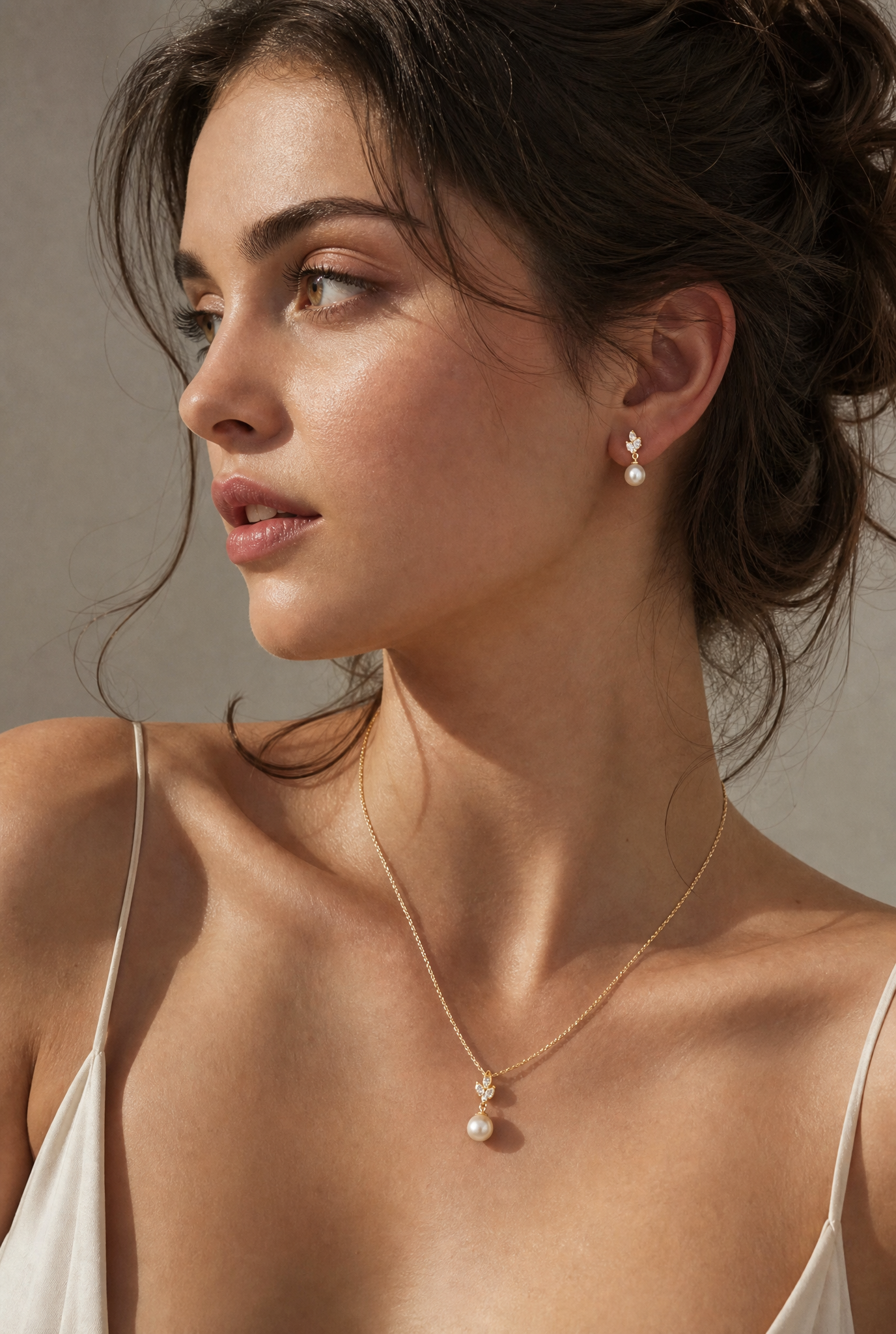
Not every piece of jewelry tolerates the same care. Freshwater pearls are organic and sensitive to moisture, chemicals, and friction. After wearing, gently wipe them only with a soft, slightly damp cloth and let them air dry completely. Cleaning baths, ultrasonic devices, and silver polishes do not belong near pearls.
Restraint also applies to jewelry with cubic zirconia, set stones, or small details. While a little lukewarm water can help with robustly set stones, long soaking times and aggressive agents are not a good idea. For glued elements, moisture could weaken the bond.
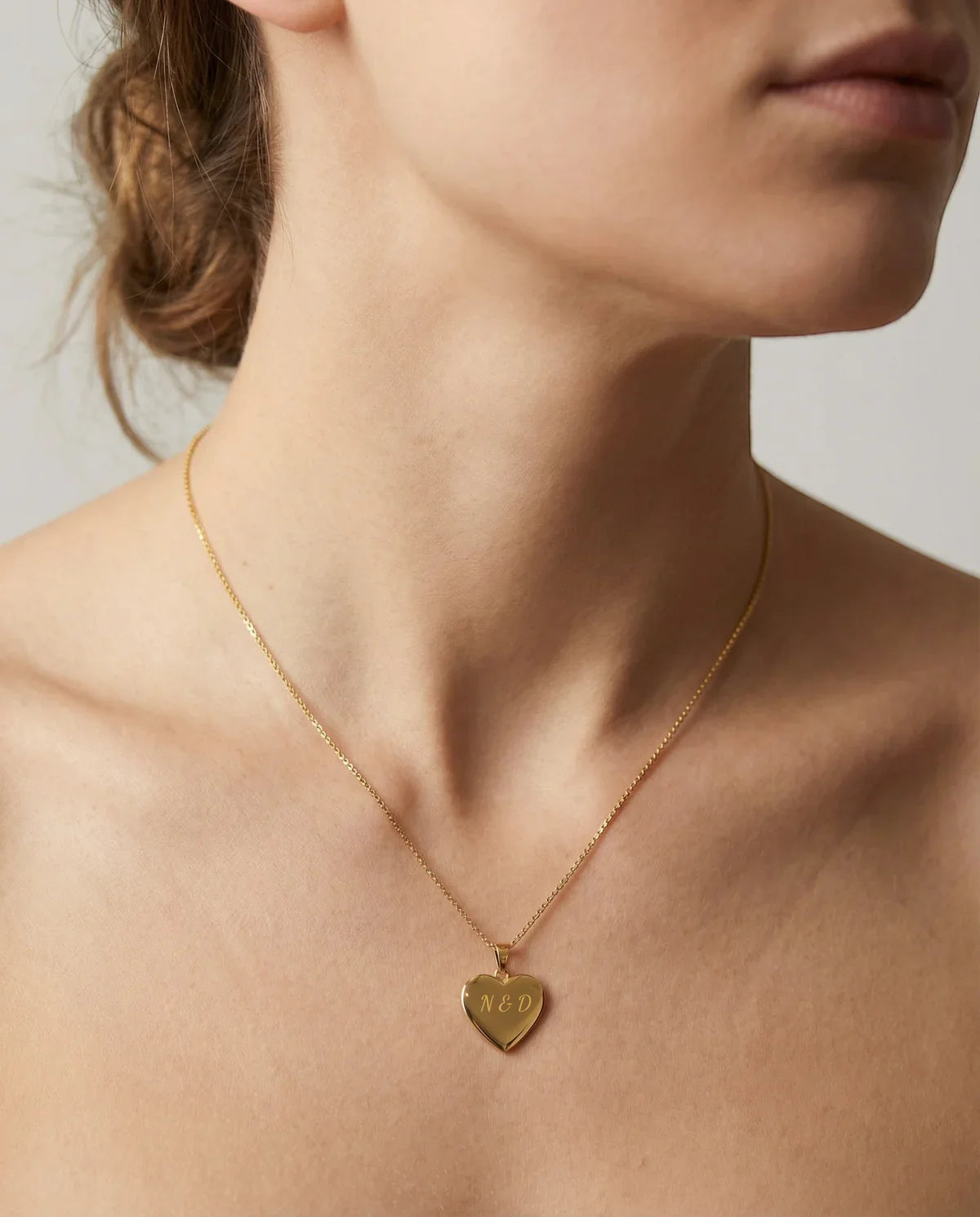
Engraved pendants, initials, or personalized pieces of jewelry should also only be treated gently. An engraving is a lasting mark – polishing too vigorously can make its contours less clear over time. It is better to clean gently more often than rarely with too much pressure.
The right storage makes all the difference
Silver tarnishes particularly quickly when it is left open and damp. The bathroom, as practical as it may seem, is therefore not an ideal place for your jewelry treasures. Store them dry, dark, and as airtight as possible – for example, in a jewelry box, a soft pouch, or separate compartments of a jewelry case.
It is best for each piece to have its own place. This way, delicate necklaces don't tangle, hoop earrings remain free of scratches, and rings don't bump into each other. Close necklaces before storing them and lay them flat. If you have several favorite pieces, it's worth sorting them by material: silver, gold-plated silver, pearls, and real gold have different needs and simply look better separated.
A small anti-tarnish cloth in the jewelry box can also help regulate humidity. It is important that jewelry is never put away damp. After a rainy day, sports, or careful cleaning, it should always dry completely first.
When professional help makes sense
Some pieces are too valuable or too delicate for home experiments. If a setting seems loose, a clasp catches, stones appear dull, or gilding is visibly altered, expert assessment is the better choice. This applies especially to emotionally significant gifts, jewelry for births, baptisms, or weddings, and heirlooms.
Even genuine gold designs made of 585 or 333 gold benefit from gentle care but are less prone to tarnishing than silver. For these, the focus is primarily on cleaning residues and protecting against scratches. Each material tells its own story – and deserves care that suits it.
Your jewelry doesn't have to look perfectly untouched to be precious. A small moment of shine in the morning, a soft cloth in the evening, and a protected place in between are often enough. This way, a beautiful accessory remains a personal companion that still shines after many cherished memories. 🤍