Jewellery Care: Silver, Gold Plating & Stainless Steel
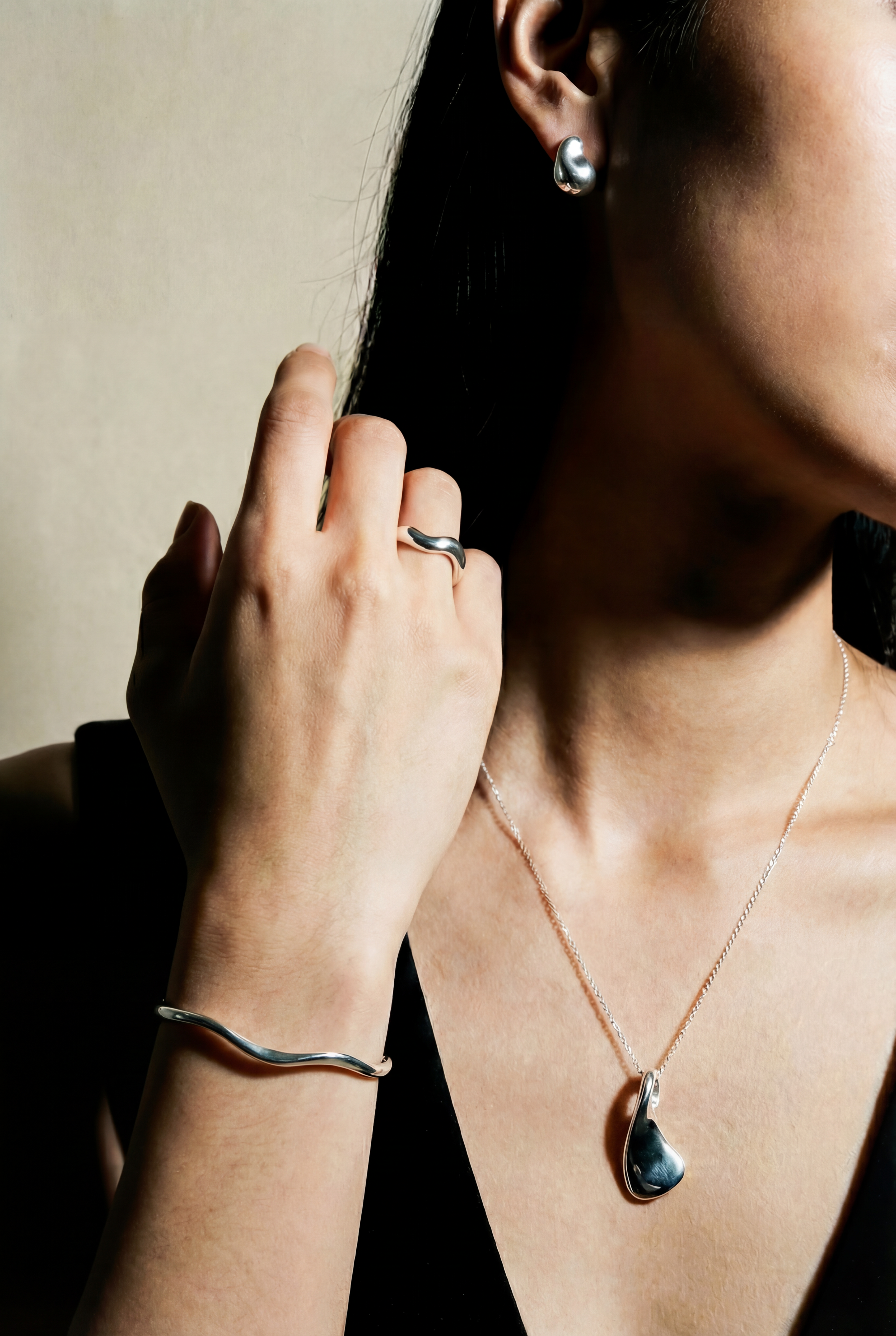
A ring you wear every day. A necklace that reminds you of a special person. Earrings that were a birthday gift. Jewelry accompanies memories - and should be visibly lived. With the right jewelry care: How to properly clean silver, gold-plated jewelry, and stainless steel, your personal significance will continue to shine.
The rule of thumb is: not every material needs the same treatment. 925 sterling silver reacts differently than a delicate gold plating, and while stainless steel is uncomplicated, it's not entirely maintenance-free. A gentle routine preserves the shine, color, and the small details that make your jewelry unique.
Jewelry care for silver, gold plating, and stainless steel
The most important principle is simple: jewelry likes it dry, gentle, and clean. Take off your favorite pieces when showering, swimming, exercising, and in the sauna if possible. Chlorine, salt water, sweat, and soap residue can attack surfaces or leave a dull film.
Also, perfume, hairspray, body lotion, and sunscreen should go on your skin first, and only then should you put on your jewelry. Wait a moment for the care products to be fully absorbed. Especially for necklaces and rings that are close to the skin, this small habit makes a visible difference in the long run.
If you take off several pieces, do not store them loosely together in a bowl. Fine chains can get tangled, and friction can cause scratches. A soft jewelry pouch, a lined case, or separate compartments protect each piece - at home as well as when traveling.
Proper care for 925 Sterling Silver
Sterling silver consists of 92.5 percent pure silver. It is a valuable, durable material that can oxidize over time. The darker discoloration is not a quality defect, but a natural reaction to air, moisture, and certain substances in everyday life. Some love this slight patina, others want the bright, clear silver shine back.
For regular cleaning, a soft, dry silver polishing cloth is sufficient. Gently rub it over the surface without applying too much pressure. This removes light tarnish and fingerprints without unnecessarily stressing the material.
For slightly heavier discoloration, lukewarm water with a small amount of mild, pH-neutral soap can help. Place the jewelry in it only briefly, clean it carefully with a very soft cloth, and then dry it immediately and completely. Especially for jewelry with zirconia, pearls, or engraved details, you should not soak it for a long time. Moisture can collect in fine crevices and reduce the shine.
Avoid household remedies with toothpaste, baking soda, or coarse salt. They initially seem practical but are often too abrasive for fine surfaces. This applies particularly to polished rings, delicate pendants, and jewelry whose emotional value far exceeds its material value.
Consciously store silver
Silver tarnishes more slowly if it is stored as airtight and dry as possible. A fabric bag or a small jewelry box is ideal. Only put jewelry away when it is completely dry. After a warm summer day or an evening when you wore your favorite piece, a quick check is enough: Is there moisture on it? Then gently dab it dry before it goes into the case.
Gently treat gold-plated jewelry
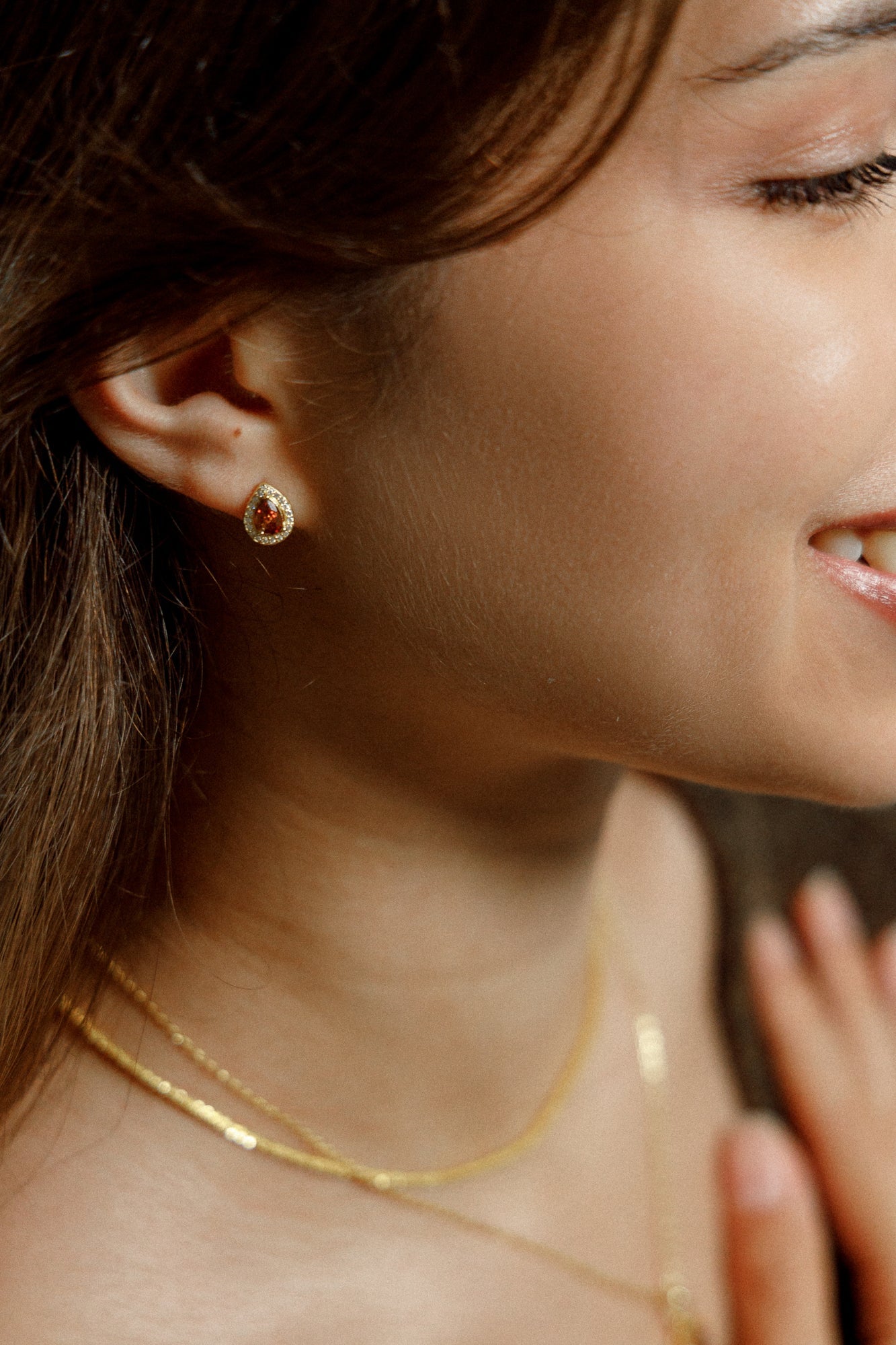
Gold-plated jewelry combines the warm expression of gold with an accessible, delicate character. However, the gold plating is a thin layer of precious metal and therefore deserves special care. How long it remains beautiful depends not only on the quality of the craftsmanship but also on frequency of wear, skin contact, and care.
Clean gold-plated necklaces, rings, or earrings exclusively with a soft, dry microfiber cloth. If necessary, you can slightly moisten a cloth with clear, lukewarm water. Then immediately polish dry. Strong rubbing, silver polishing cloths, and commercial jewelry dips are not suitable here, as they can wear away the gold layer.
Take off gold-plated pieces before exercising, swimming, and sleeping. It is also advisable to take off gold-plated rings when washing your hands - especially if you frequently use hand sanitizer. This is not a restriction, but a loving gesture towards a piece that beautifies your everyday life.
On rings, wear usually shows first on areas that often come into contact with skin or objects. This is completely normal. Those who wear a gold-plated ring daily will see changes sooner than with earrings that are only worn on special occasions. Therefore, a temporary break for your everyday piece may be useful while you are at home or exercising.
What keeps gold-plated jewelry beautiful for an exceptionally long time
Put on your jewelry as the last step when getting ready and take it off as the first. This small sequence protects the surface from cosmetics, water, and friction. Store it individually and softly padded, because contact with harder jewelry pieces can leave fine scratches.
If the gold plating visibly fades after long, loving use, it also tells a story of shared moments. Whether you continue to wear the piece as a gentle everyday reminder or have it professionally re-plated is a personal decision. For particularly meaningful gifts, initials, or symbols, professional refurbishment can be wonderful.
Cleaning stainless steel without losing its shine
Stainless steel is an uncomplicated material for jewelry that can withstand a lot. It is resistant, retains its cool shine for a long time, and is a comfortable choice for many people in everyday life. Nevertheless, skin oils, cream, or dust can make the surface appear less clear over time.
For cleaning, a soft cloth with lukewarm water and a small amount of mild soap is usually sufficient. Then wipe the jewelry with clear water and dry it thoroughly. For textured pendants or clasps, a very soft brush helps to gently loosen deposits.
Stainless steel should also not come into permanent contact with chlorinated or salt water. Although the material is significantly less sensitive than silver or gold plating, residues can impair the shine. After a day at the sea or in the swimming pool, you should therefore rinse your jewelry briefly with clear water and dry it well.
Jewelry with pearls, stones, and engravings
Materials like freshwater pearls, zirconia, or personally engraved pendants require particularly careful handling. Pearls do not like perfume or long water baths. Clean them only with a soft, slightly damp cloth and let them air dry flat. Store them separately from harder materials to prevent scratching their surface.
With zirconia jewelry, everyday dirt can accumulate in the settings. A soft cloth and minimal moisture are often sufficient. Avoid harsh cleaning agents and occasionally check valuable favorite pieces to ensure stones and clasps are still securely set.
Engravings should never be cleaned with coarse cloths or brushes. Especially the fine lines of a name, date, or symbol carry a story. Gentle care preserves not only the surface but also the readability of what is important to you.
A small care routine that really sticks
You don't have to elaborately clean your jewelry after every wear. A simple habit is much more effective: briefly wipe the piece with a soft cloth when taking it off, store it separately, and avoid moisture. Once a month, you can take a few quiet minutes for a more thorough check - especially for jewelry you wear often.
Check chain clasps, earring backs, and the inside of rings. Remove light residue, rearrange your pieces in your jewelry case, and consciously decide what you want to wear. This way, care becomes a small ritual instead of a tedious task.
At NINASIA, we understand jewelry as a companion for closeness, strength, and personal milestones. If you give it a little attention, it will remain ready for the moments when you want to wear exactly what feels like you.